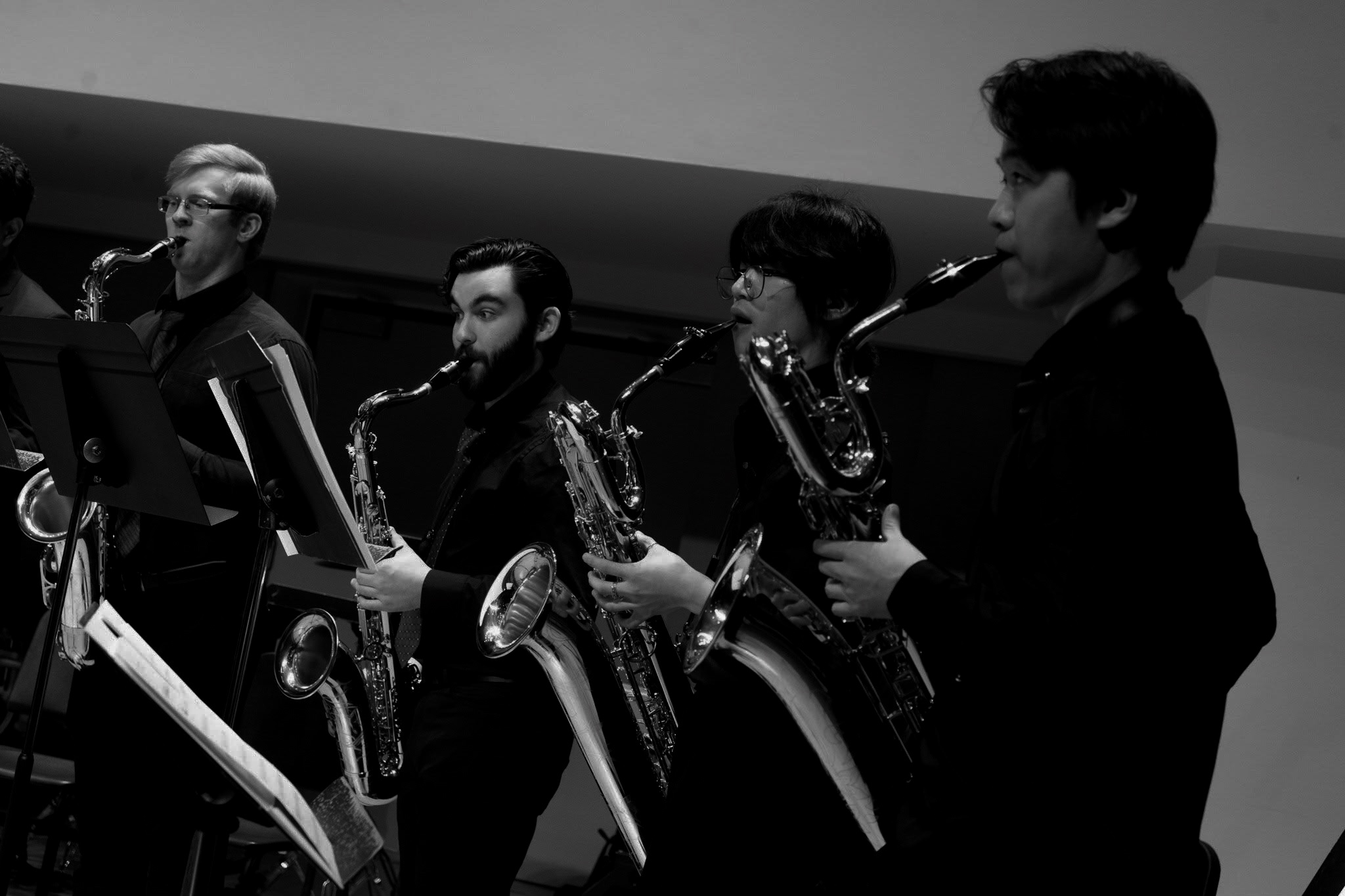
Saturday, April 25, 2026, 7:30pm
Rosedale United Church
159 Roxborough Dr, Toronto, ON M4W 1X7
$20 or pay-what-you-can at the door (Cash/Card)
Program
Overture to Candide (1956) 5'
arr. Blake Smith
Saxophone Quartet (1995) 10'
Primavera Porteña (1970) 6'
arr. Keiichi Kurokawa
Introduction et Rondo Capriccioso (1863) 10'
arr. Blake Smith
Soloist: Zachary Costello, Conductor: Yunfei Xie
Pictures at an Exhibition (1874) 35'
arr. Blake Smith
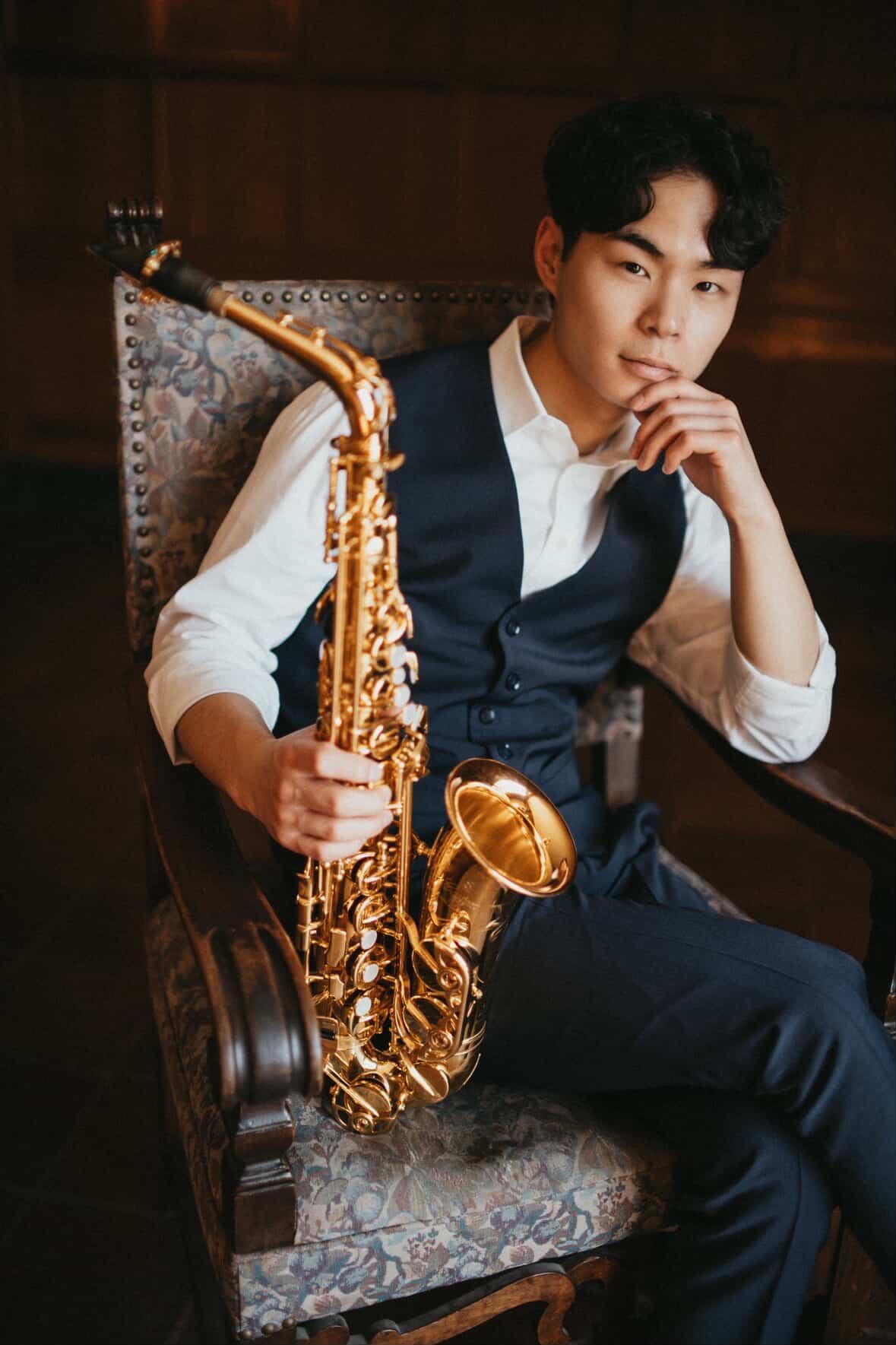
Featured soloist: Zachary Costello
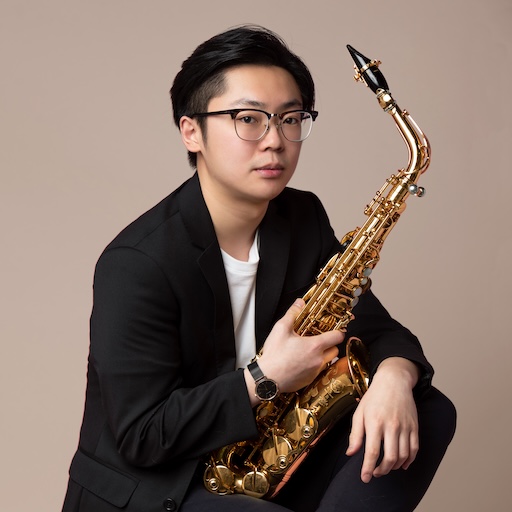
American saxophonist Zachary Costello has been recognized for performances that combine technical mastery with cultural resonance and immersive audience experiences. Born in South Korea and raised near Washington, D.C., he has performed extensively throughout the United States, South Korea, and Europe, captivating audiences with programs that blend classical masterworks, contemporary repertoire, and innovative new commissions. He was named a Yamaha Young Performing Artist and has the Young Artist Award and the Grand Prize at the Naftzger Young Artist Competition, as well as Second Prize at the 2025 Vandoren Emerging Artist Competition. He was a finalist and prizewinner at the Andorra Saxfest International Saxophone Competition, performing with the National Classical Orchestra of Andorra, and has been recognized as a prizewinner in the Music Teachers National Association National Solo Competition. He also received the Hans Schaeuble Award in Switzerland in 2022, and performed as a soloist and chamber musician at the Arosa Winter Music Festival. Earlier in his career, he was honored as a YoungArts Winner.
A committed advocate for new music, Costello leads the commissioning project Echoes Beyond the Peninsula, collaborating with five composers of Korean and Korean-American descent to create chamber works that merge the saxophone with Korean traditional and folk music. The premieres of these works are scheduled for spring 2026. He is also collaborating with composer Dr. Jiyoun Chung on a new concerto for saxophone and wind ensemble, which will be performed by a consortium of more than 25 collegiate and professional wind ensembles across the United States. These projects reflect his dedication to expanding the saxophone repertoire while championing underrepresented voices.
As a chamber musician, Costello is the soprano chair of PULSE, an award-winning saxophone quartet recognized with the Lift Every Voice Prize at the Fischoff National Chamber Music Competition and First Prizes at the Glass City and NOLA Chamber Music Competitions. He is also a founding member of Project NOVA, a saxophone ensemble that performs fully memorized and choreographed original and arranged repertoire, redefining the concert experience.
He serves as an Artist Ambassador for JLV Sound and has participated in masterclasses with Vincent David, Lars Mlekusch, Christian Wirth, Timothy McAllister, Mariano Garcia, Otis Murphy, Christopher Creviston, and Stephen Page. Costello holds a Bachelor of Music from Michigan State University and is pursuing a Master of Music at the Eastman School of Music. He also serves as Adjunct Instructor of Saxophone at Alfred University.
Musicians
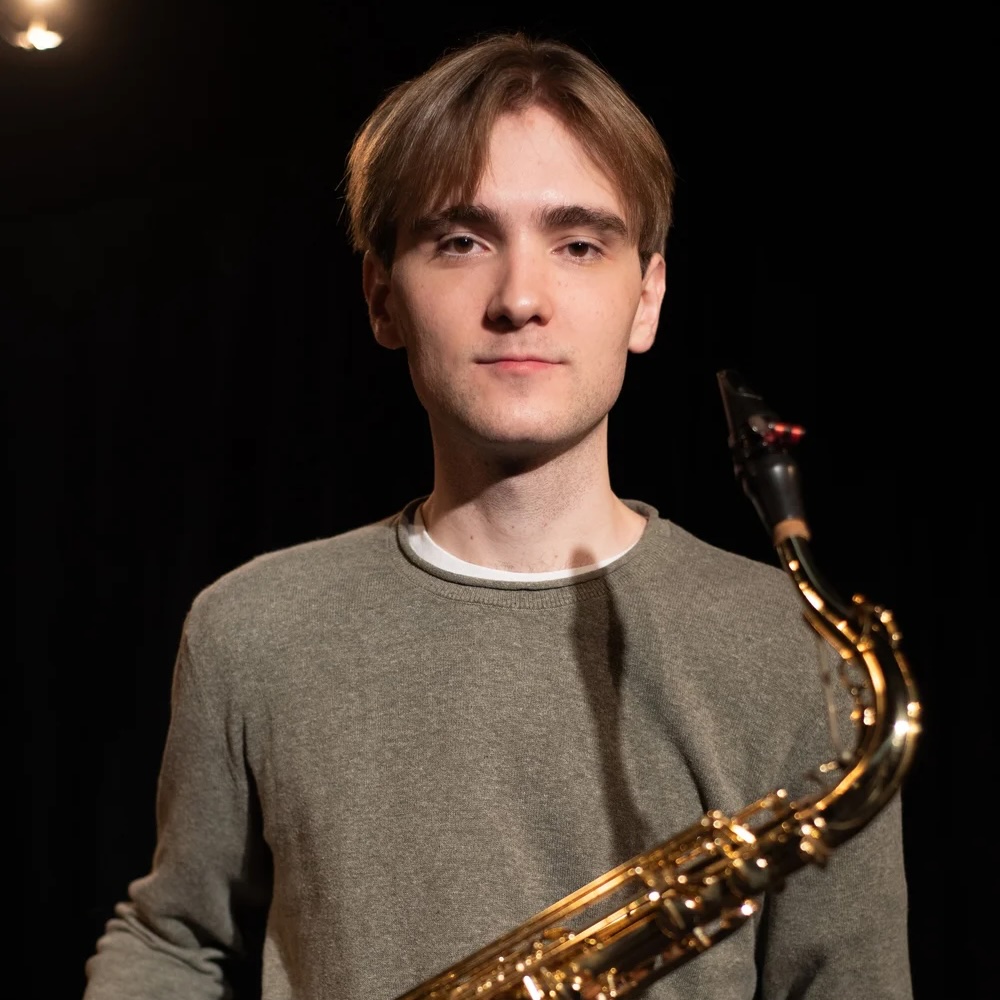
Christopher Jones
Soprano
Founder of TSC
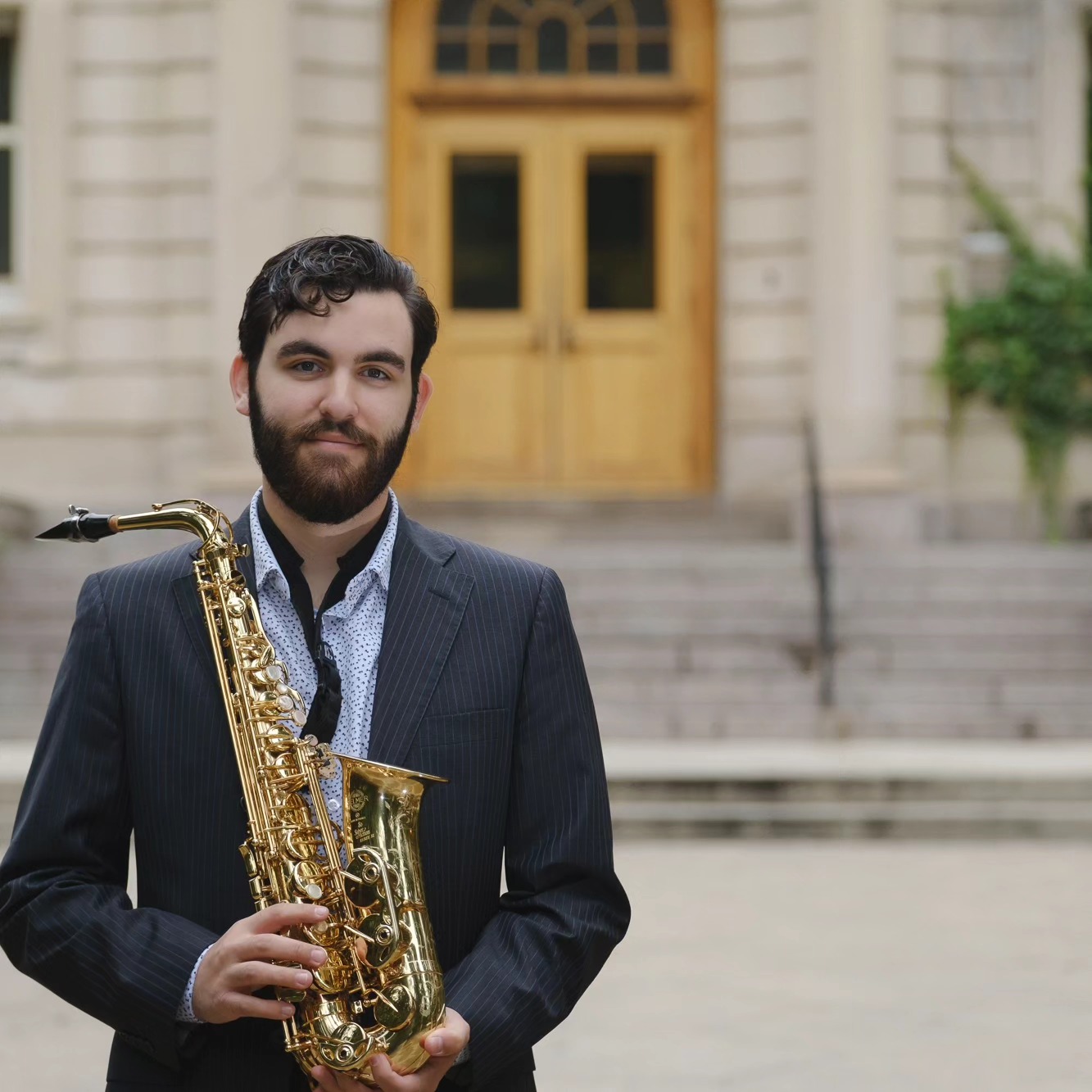
Kannan Bloor
Tenor
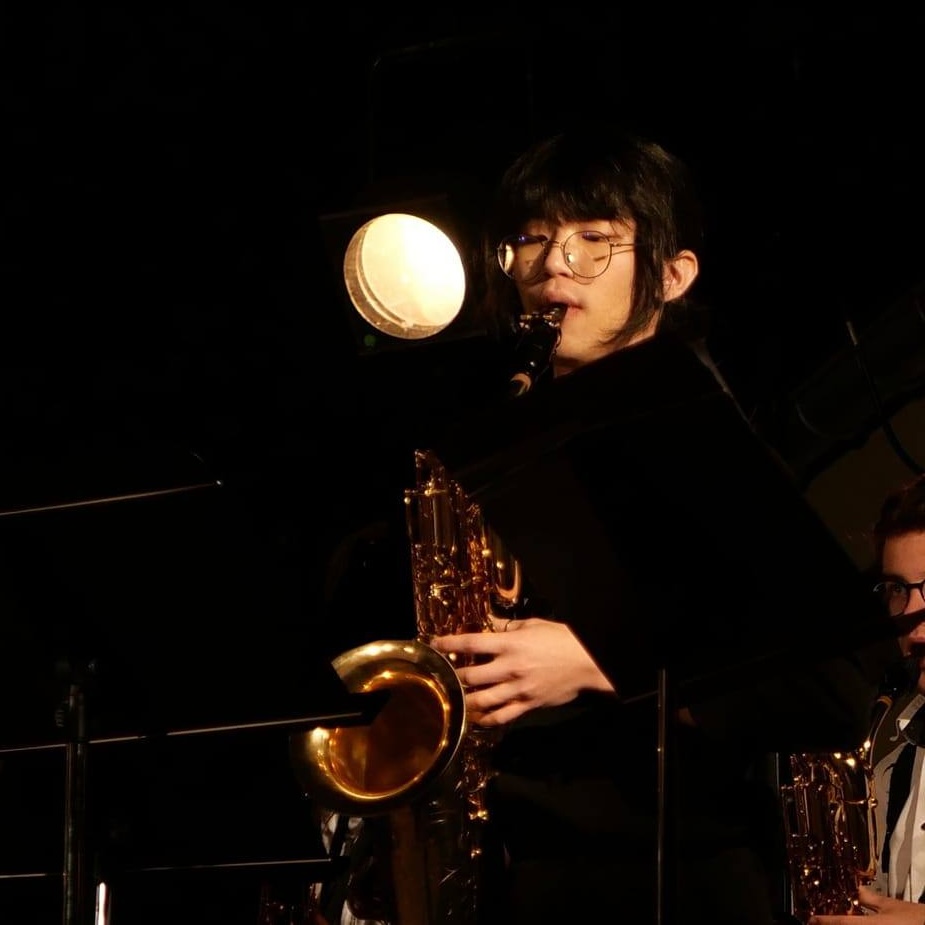
Min Gu Kang
Co-founder of TSC
Baritone/Bass
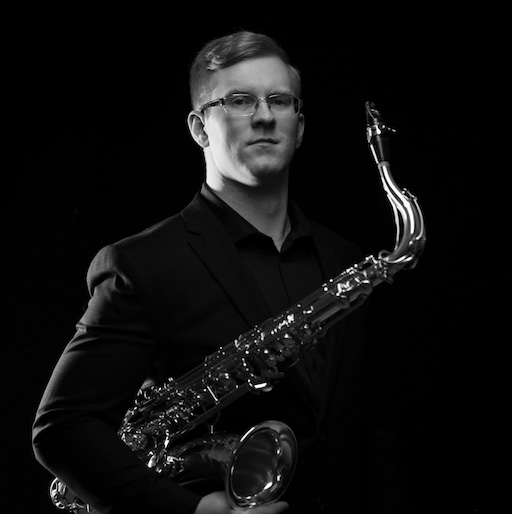
Blake Smith
Alto/Baritone
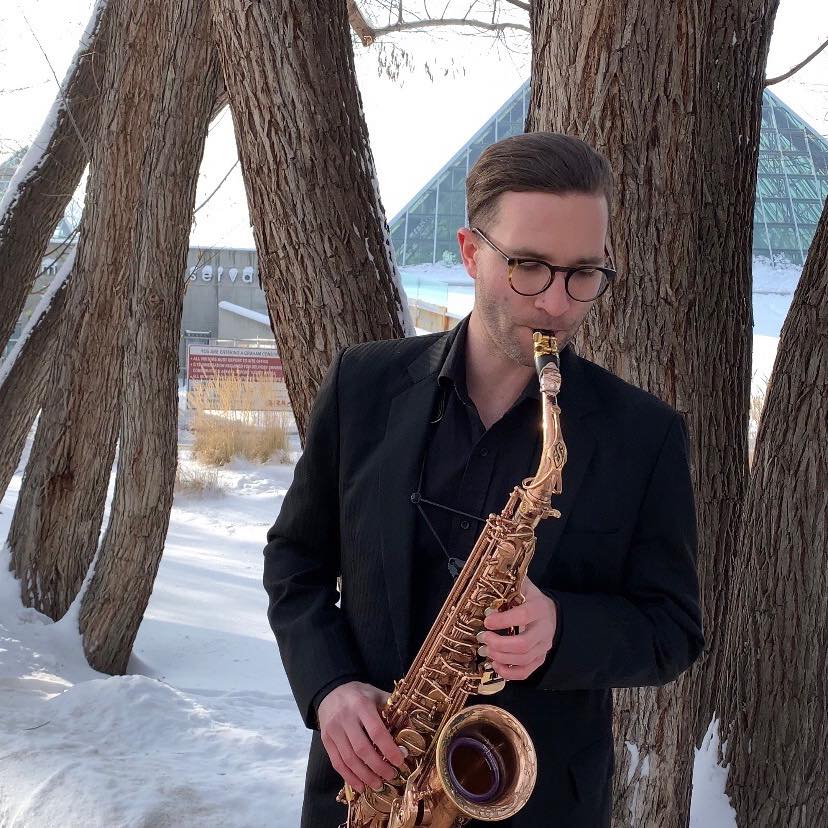
Justin Massey
Soprano
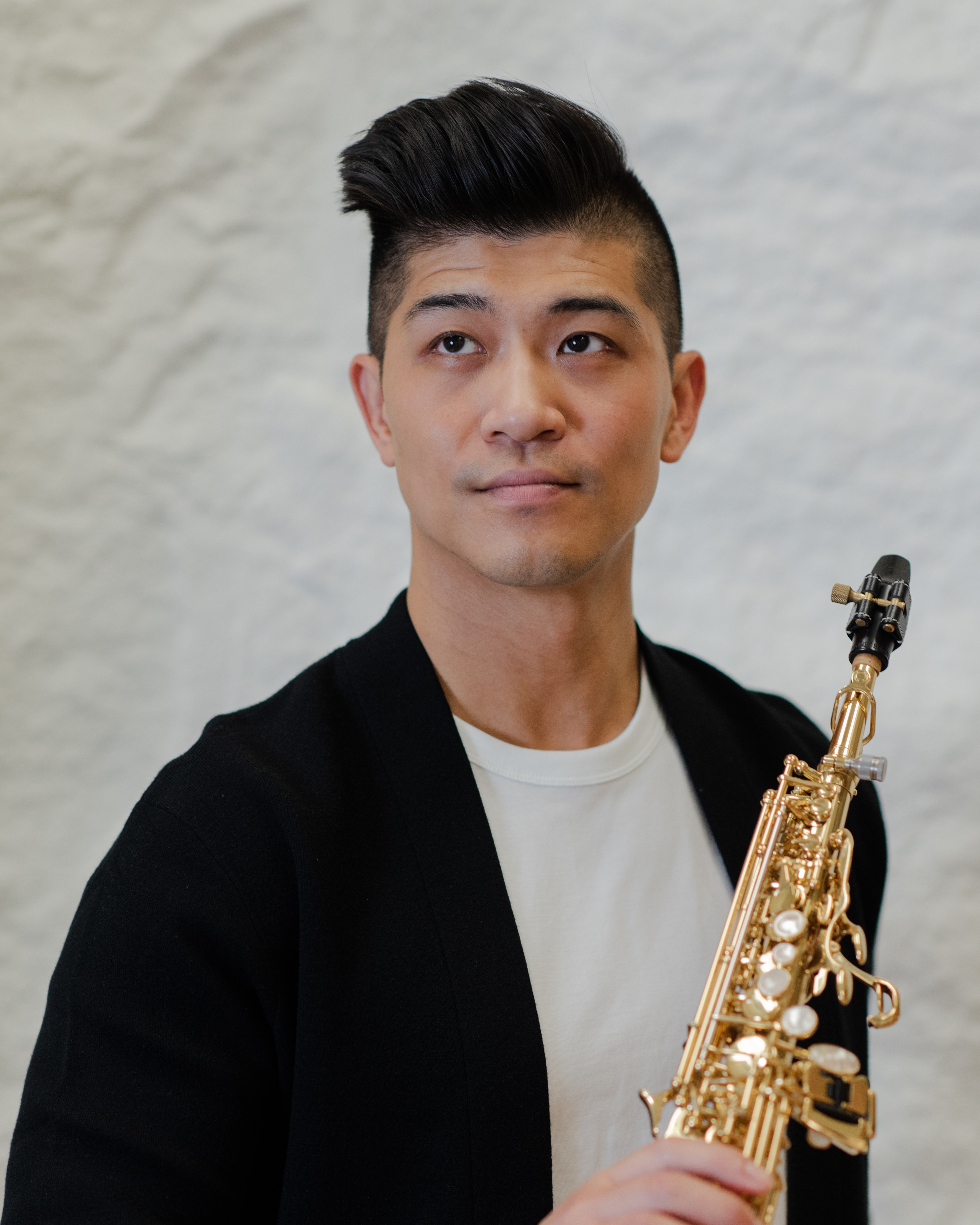
Dr. Jeffrey Leung
Soprano
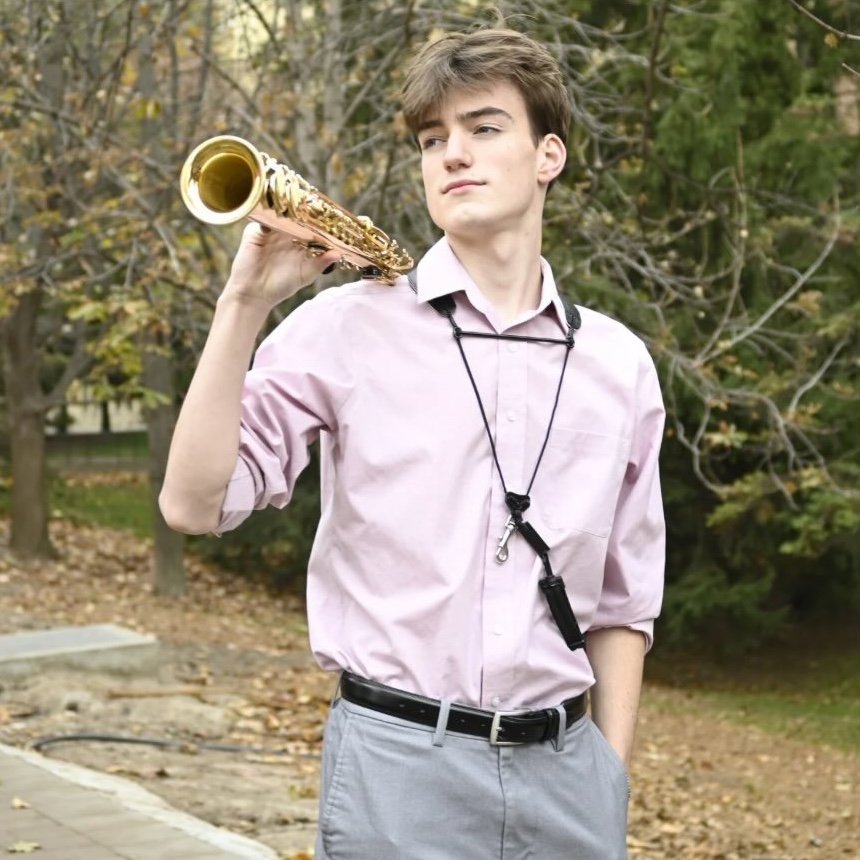
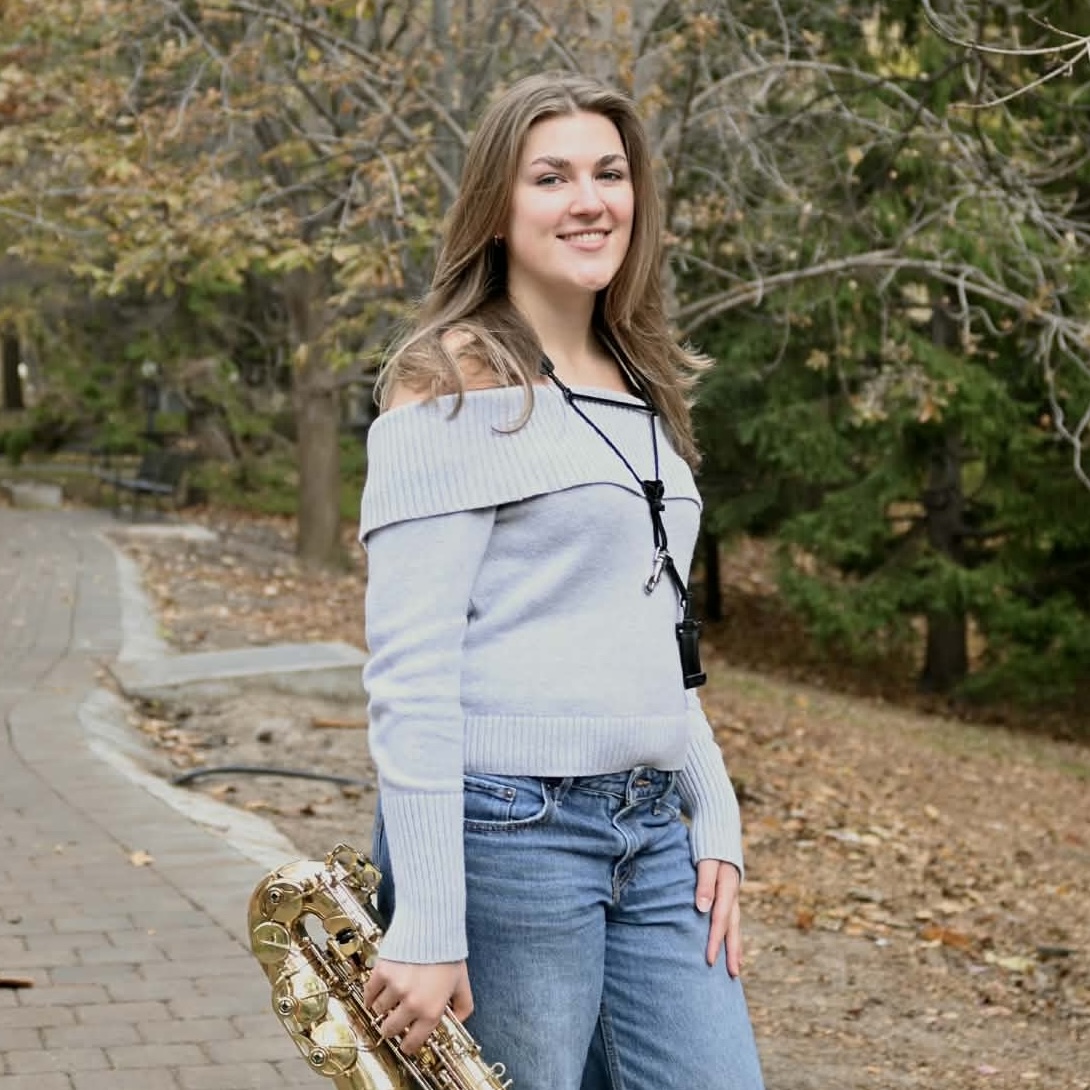
Nikki Carson
Soprano
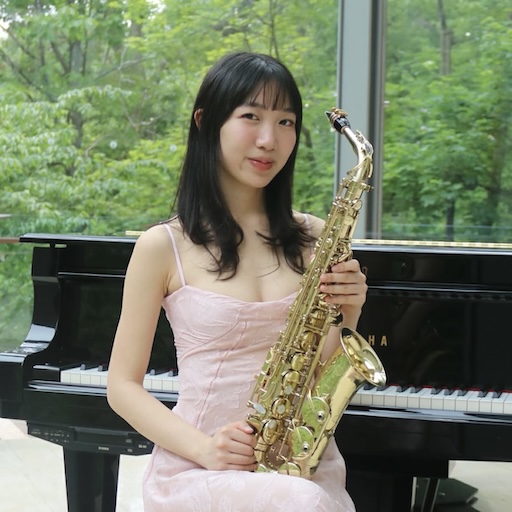
Chantelle Tom-Ying
Alto
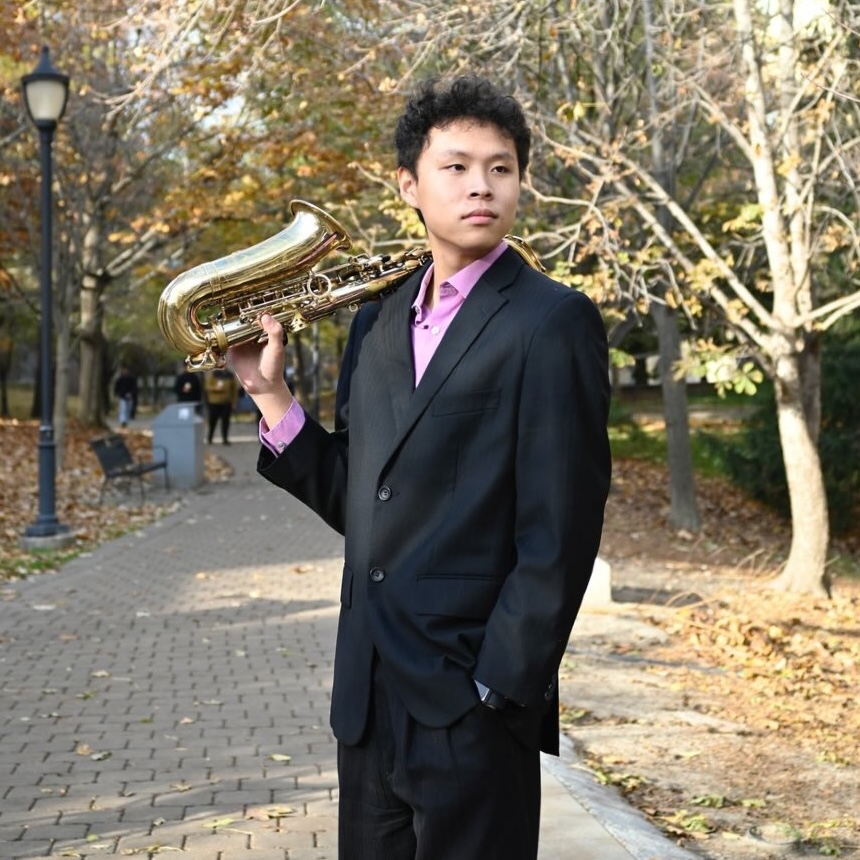
Chun Wang
Alto
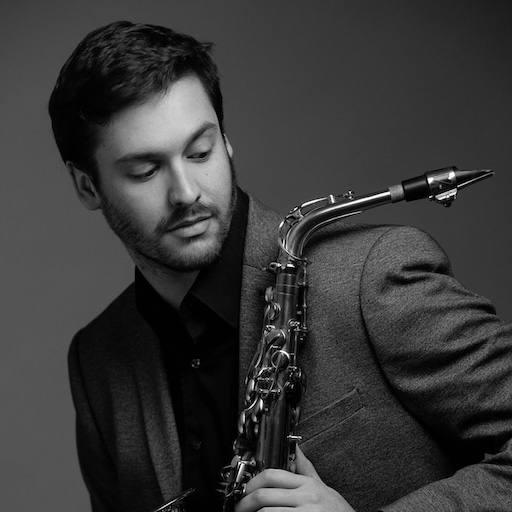
Robert Hess
Alto
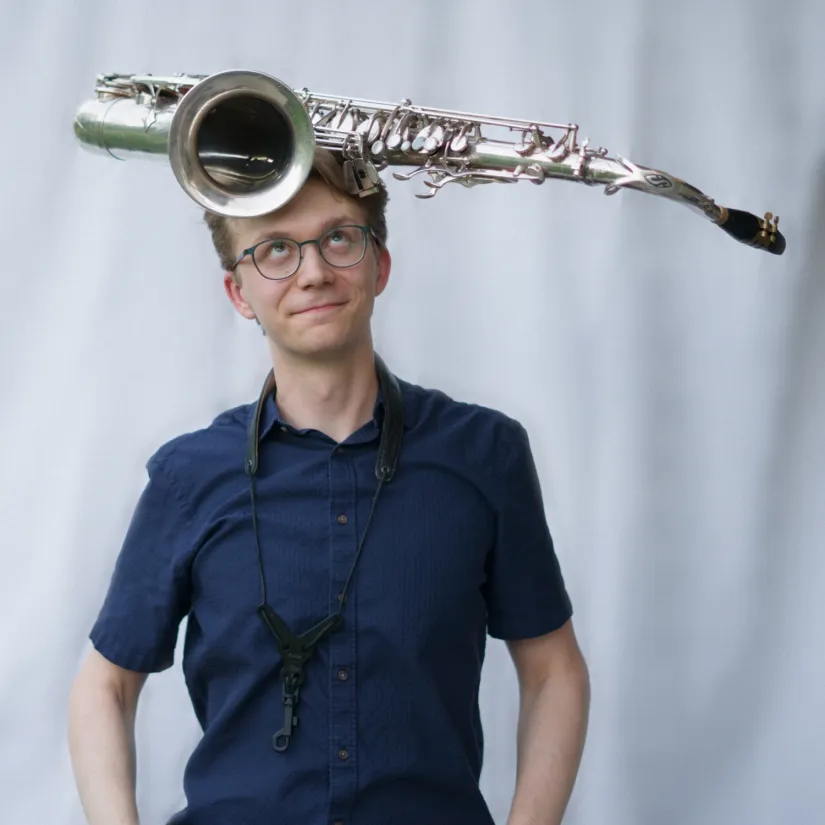
Harrison Argatoff
Tenor
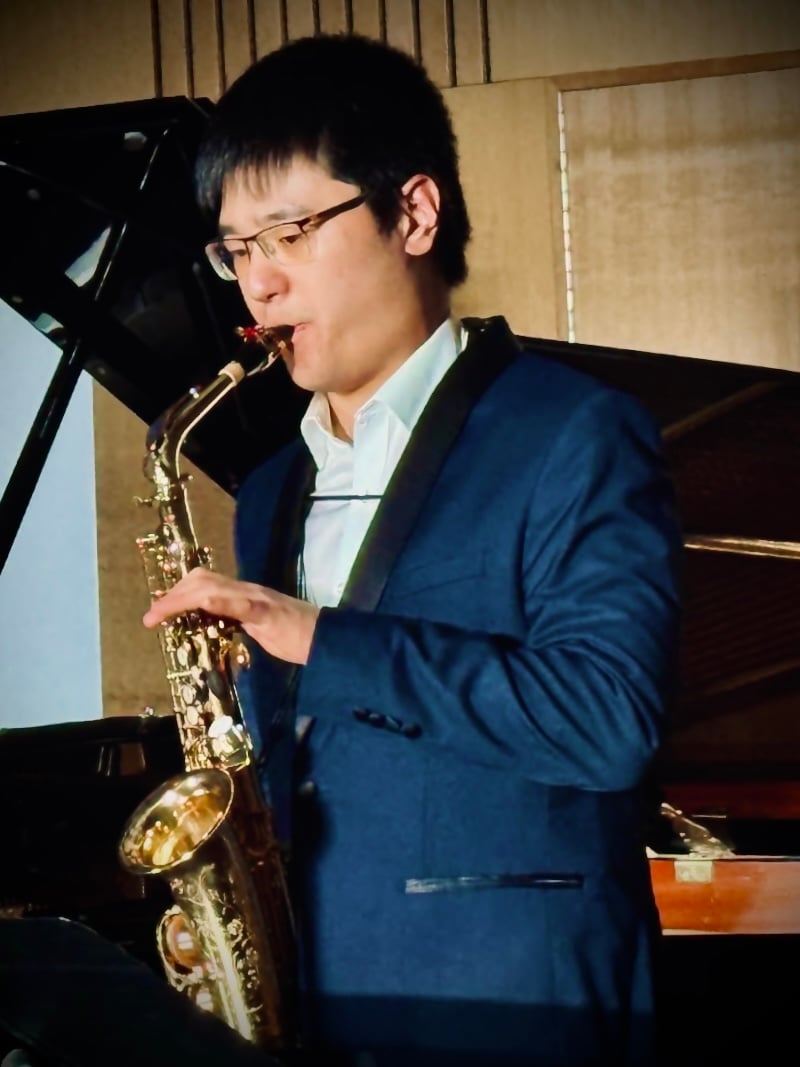
Benjamine Liu
Tenor
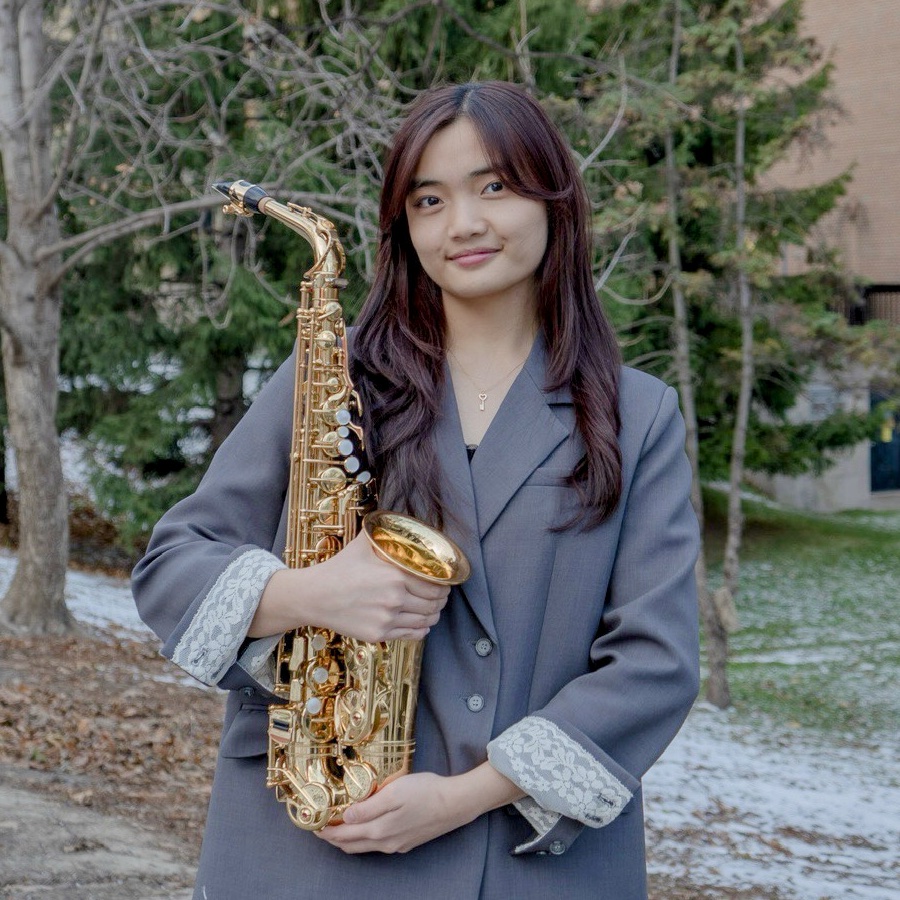
Charlette Chau
Tenor
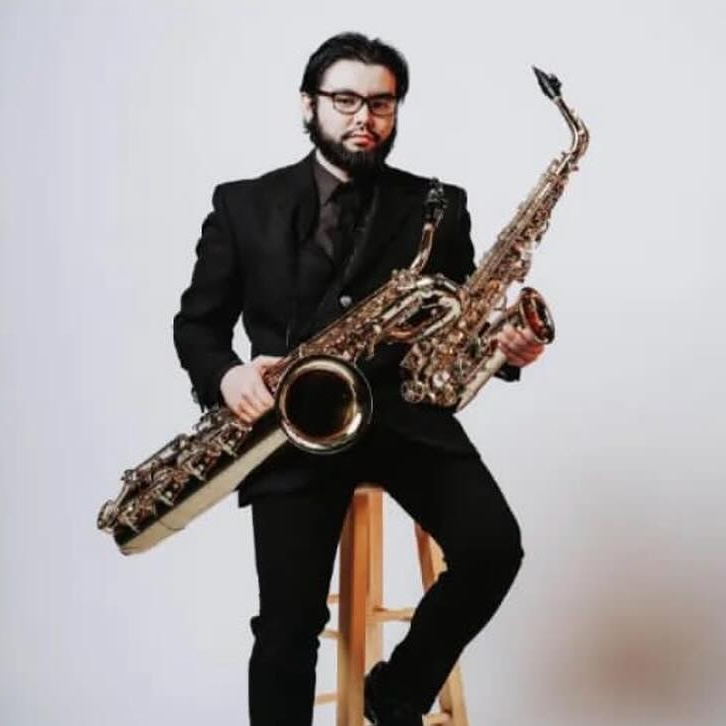
Seamus Hayden
Baritone
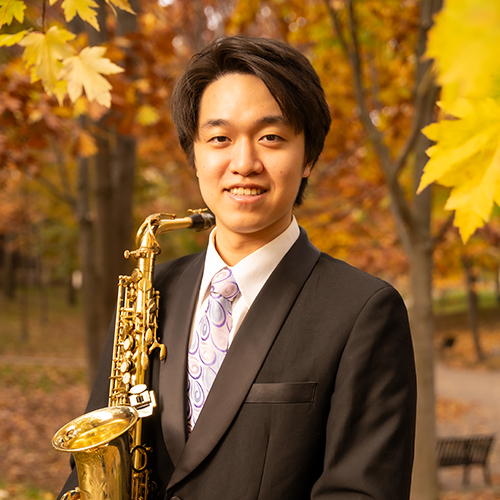
Yunfei Xie
Co-founder of TSC
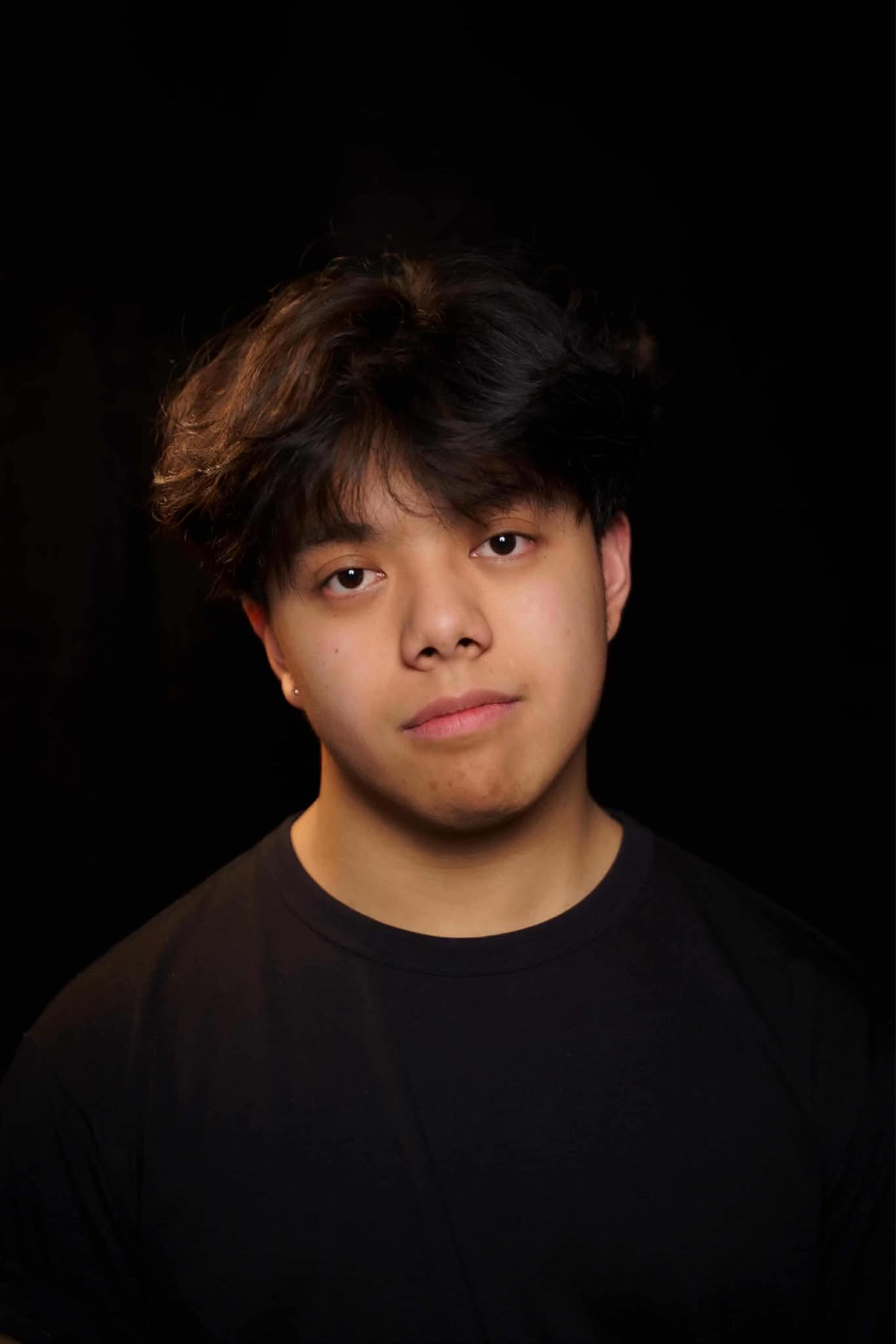
Amiel Ang
Percussion
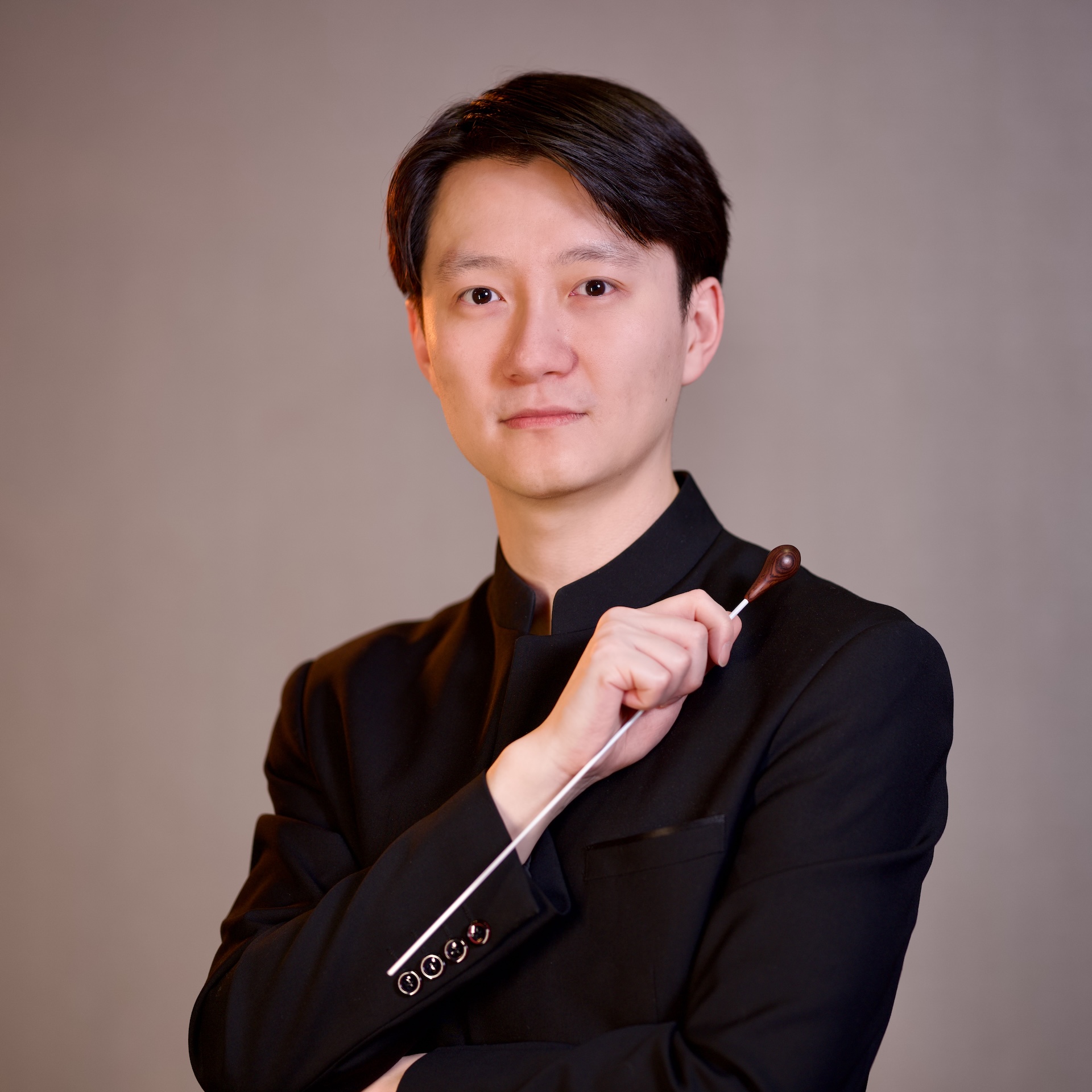
James Wu
Guest Conductor
Program Notes
Leonard Bernstein, Overture to Candide
Leonard Bernstein’s Overture to Candide is a five-minute sprint. When he adapted Voltaire’s famous 1759 satire, a story about a hopelessly optimistic guy surviving an endless string of ridiculous, catastrophic disasters, Bernstein wrote a curtain-raiser that is pure, chaotic joy. It doesn't waste a single second, launching straight into a massive fanfare before flying through the show's catchiest tunes at breakneck speed.
If you listen closely, you can hear the humor written right into the music. Bernstein constantly throws in unexpected accents, huge leaps, and shifting time signatures to keep both the musicians and the audience slightly off-balance.
Originally orchestrated to demand sharp precision from the strings and woodwinds, adapting this rapid-fire work for a saxophone collective highlights the instrument's unique acoustic design. The saxophone was invented specifically to enhance the woodwind and brass instruments in military marching bands, making it exceptionally well-suited to handle Bernstein’s dramatic shifts in texture. In this arrangement by Blake Smith (on the bass saxophone), the upper voices execute the complex technical acrobatics with woodwind-like agility, while the full ensemble provides the bold, resonant power necessary for the climactic theatrical fanfares.
Philip Glass, Saxophone Quartet
Composed in 1995, this concerto was commissioned by the renowned Raschèr Saxophone Quartet. Glass originally scored the work for the quartet and a full orchestra; however, the chamber version—which strips away the orchestral accompaniment to focus entirely on the four saxophones—highlights the intricate, polyphonic dialogue between the instruments, transforming the work into an intense display of ensemble precision.
The piece embodies the mature "Glassian" aesthetic of the 1990s, characterized by a more lyrical, transparent sound world than his earlier, repetitive works. While it retains the hallmark rhythmic drive and additive processes of his minimalism, the concerto balances this energy with a melodic expressivity that allows each member of the quartet to function as both a soloist and a vital component of a unified, larger texture.
Astor Piazzolla, Primavera Porteña
“Primavera Porteña” (“Spring in Buenos Aires”) is one of the central works in Astor Piazzolla’s celebrated Cuatro Estaciones Porteñas (“The Four Seasons of Buenos Aires”), a set of four pieces written between 1965 and 1970. Rather than depicting the pastoral, predictable unfolding of nature, Piazzolla’s seasons capture the energy, volatility, and emotional intensity of urban life in Buenos Aires. In this “spring,” renewal arrives not gently, but with urgency, sensuality, and rhythmic drive.
Piazzolla revolutionized the traditional tango by creating nuevo tango, a style that blends classical techniques, jazz harmonies, and the rhythmic language of Argentine dance. “Primavera Porteña” exemplifies this synthesis: it shifts fluidly between lyrical, almost nostalgic melodies and sharply accented, rhythmically charged passages. Syncopation, sudden contrasts, and improvisatory gestures give the music a sense of spontaneity, even within tightly structured writing.
Originally scored for Piazzolla’s quintet (bandoneón, violin, piano, electric guitar, and double bass), the piece translates strikingly well to saxophone ensemble. In this arrangement for saxophone sextet, the family of instruments captures both the warmth and bite of Piazzolla’s sound world. Rich chordal textures evoke the harmonic density of the original ensemble, while agile melodic lines and percussive articulation highlight the music’s dance roots. The saxophones’ ability to move seamlessly between singing lyricism and incisive rhythmic attack makes them especially suited to conveying the work’s expressive extremes.
Camille Saint-Saëns, Introduction et Rondo Capriccioso
Composed in 1863 for the Spanish violin virtuoso Pablo de Sarasate, Introduction et Rondo capriccioso is one of Saint-Saëns’s most celebrated concert works. Blending elegance with fiery virtuosity, the piece reflects both the refinement of the French Romantic tradition and a fascination with Spanish musical color.
The opening Introduction unfolds with a sense of restrained lyricism, as the soloist weaves an expressive, almost improvisatory line over a subdued accompaniment. Gradually, the music builds in intensity before launching into the Rondo capriccioso, where a lively, dance-like theme drives the work forward. Marked by quicksilver passagework, sparkling articulation, and rhythmic vitality, the rondo showcases the soloist’s technical command while maintaining a sense of charm and spontaneity.
In this arrangement for saxophone ensemble, the work’s orchestral textures are reimagined through the rich tonal palette of the saxophone family and select percussion. The ensemble provides both warmth and rhythmic precision, allowing the solo line to emerge with clarity and brilliance.
Featuring saxophonist Zachary Costello, this performance highlights the work’s balance of expressive lyricism and virtuosic flair, bringing new color and immediacy to a beloved staple of the repertoire.
Modest Mussorgsky, Pictures at an Exhibition
Modest Mussorgsky penned Pictures at an Exhibition as a memorial tribute to his close friend, the artist and architect Viktor Hartmann, who died suddenly at the age of 39. Devastated by the loss, Mussorgsky attended a posthumous exhibition of Hartmann’s sketches, stage designs, and architectural models. Inspired, he composed this sweeping suite to musically illustrate a stroll through that very gallery.
The work is unified by the recurring "Promenade" theme, representing the composer himself thoughtfully wandering between the artworks. The "pictures" themselves vary wildly in character—from the eerie, lumbering oxcart in Bydlo, to the frantic, pecking woodwinds in the Ballet of Unhatched Chicks, to the terrifying flight of the witch Baba Yaga, culminating in the massive, glorious ringing chords of The Great Gate of Kiev.
Originally composed as a tour de force for solo piano, Pictures was never orchestrated by Mussorgsky himself, a casualty of his notoriously poor time management. This left a brilliant blank canvas, giving future composers and arrangers the opportunity to interpret the vivid colors and textures he might have had in his mind. As a result of these various interpretations, some of the specific markings in Mussorgsky's original piano score were intentionally or unintentionally changed over the years. Notably, many of the attacca markings (directives to transition between movements without pause) were omitted from popular orchestral arrangements, such as the famous version by Maurice Ravel. While this might partially be a necessary concession to the physical and technical limitations of traditional orchestral instruments, it is not an issue for the saxophone. With the agility and homogeneous blend of the Toronto Saxophone Collective, these original, seamless transitions are restored. The result is a performance that honors the unbroken pacing and intimacy of Mussorgsky's original gallery tour, while still delivering the immense, symphonic power of a full orchestra.
Land Acknowledgement
We acknowledge the land we are meeting on is the traditional territory of many nations including the Mississaugas of the Credit, the Anishnabeg, the Chippewa, the Haudenosaunee and the Wendat peoples and is now home to many diverse First Nations, Inuit and Métis peoples. We also acknowledge that Toronto is covered by Treaty 13 with the Mississaugas of the Credit.